




Holiday & Architectural Lighting in Quincy
Design, installation, mid-season service, January takedown and off-season storage for homes and businesses. One crew, one invoice, no ladders.

What we install
Four ways to light a property, one crew
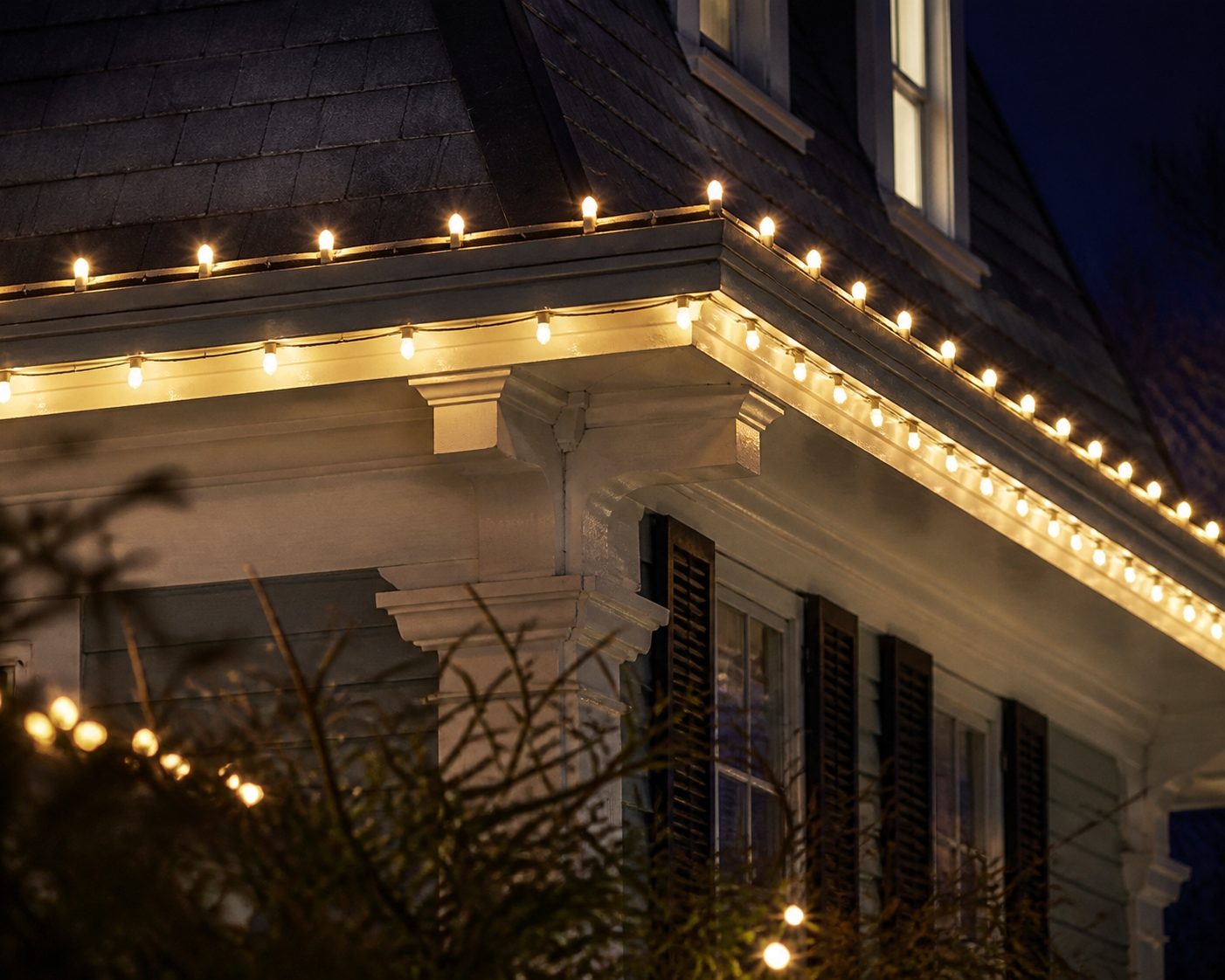
Christmas Light Installation
Outdoor Christmas lights for houses and condos — rooflines, windows, wreaths, garland, tree wraps and pathways.
Explore →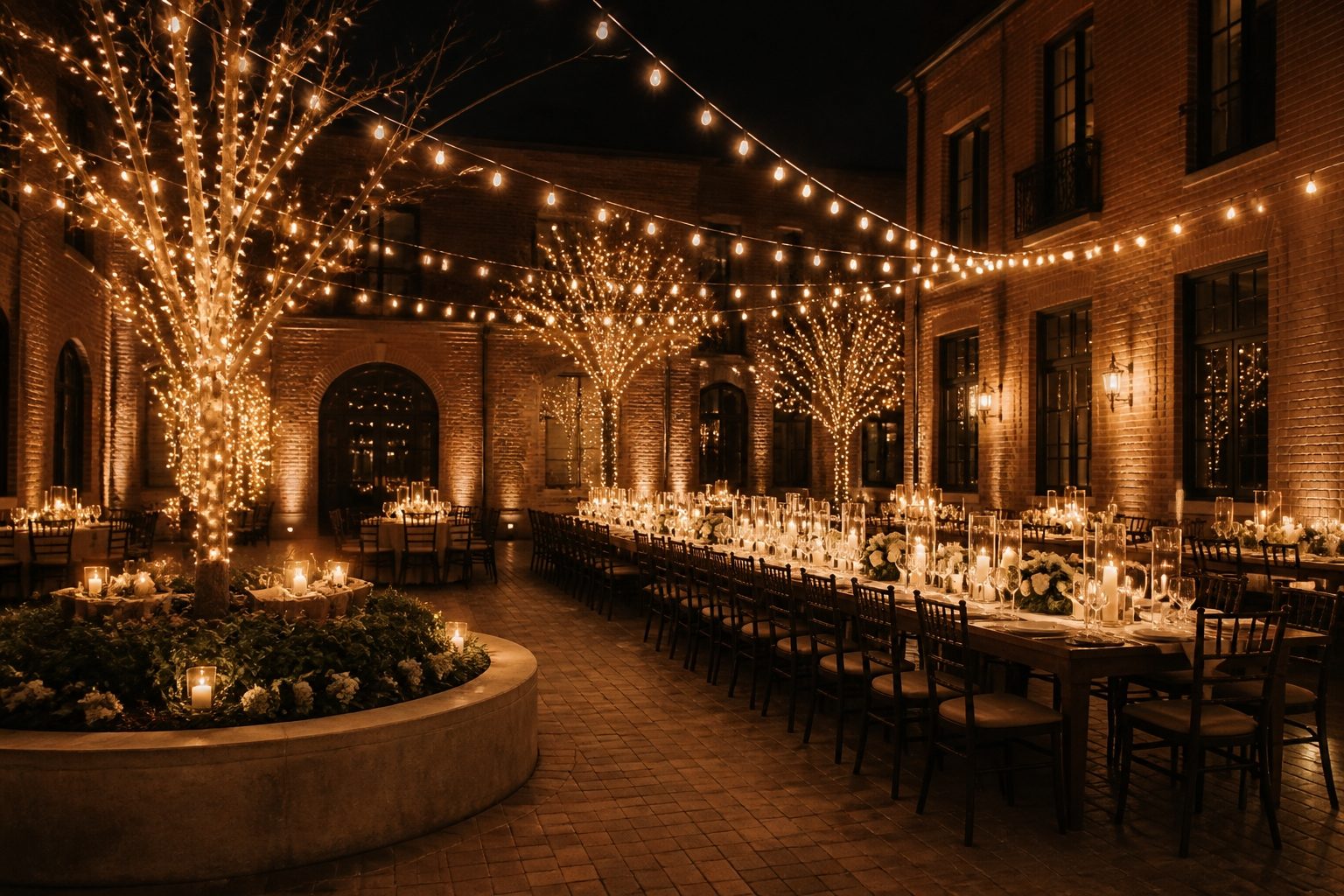
Holiday & Event Lighting
Weddings, corporate parties, Halloween, July 4th, store openings and photo shoots.
Explore →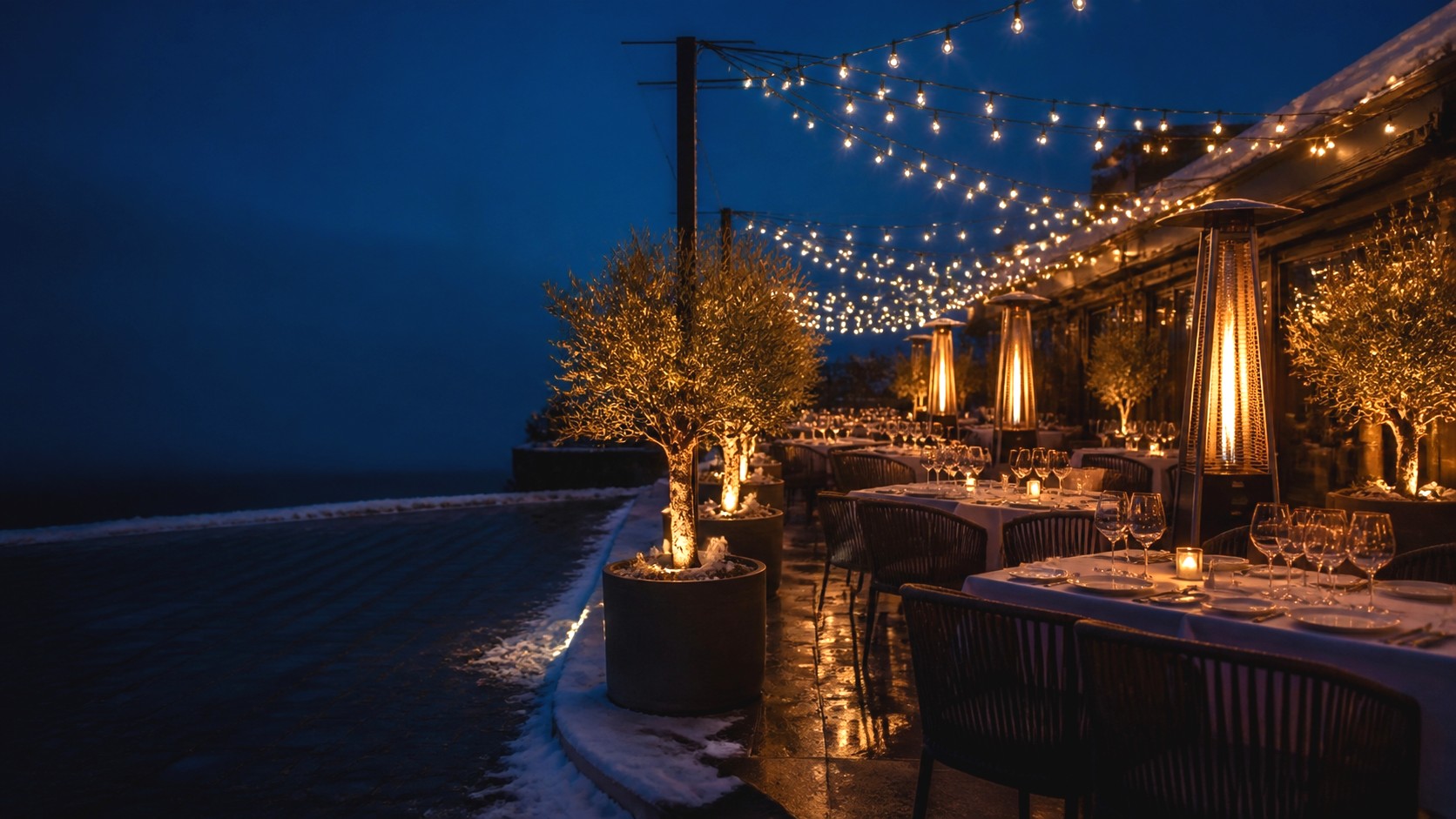
Commercial Outdoor Lighting
Storefronts, restaurants, offices, hotels, condo buildings and multi-site portfolios.
Explore →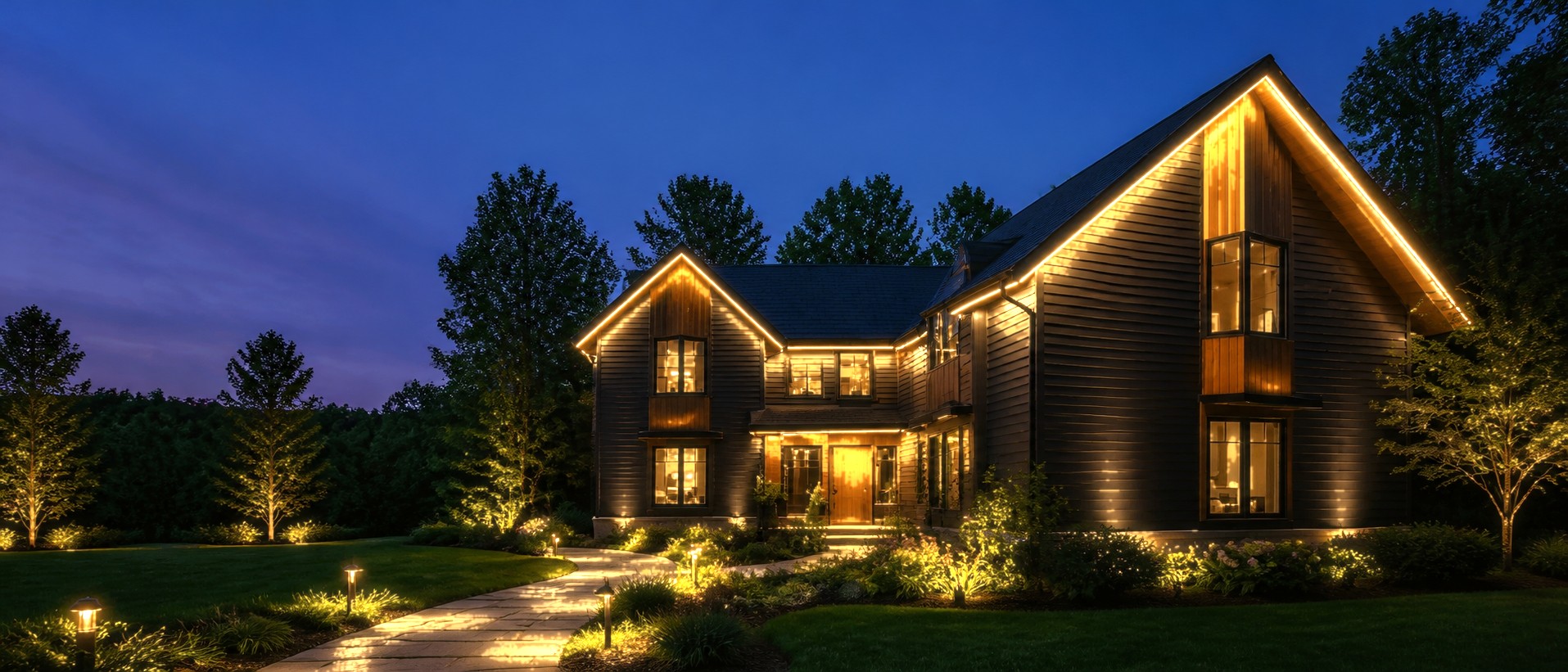
Permanent Lights
App-controlled LEDs tucked under the eave. Any color, any holiday, no annual visit.
Explore →
Local guide · Quincy
Lighting Permits in Quincy: When You Need One and Who Issues It
A plug-in holiday roofline display that uses an existing outdoor receptacle is a different scope from new wiring, a new receptacle, or a commercial installation. Quincy’s dense mix of homes, multifamily properties, downtown redevelopment, and waterfront businesses makes early scope planning practical; the Quincy Housing Production Plan describes the city’s urban-scale center alongside established residential neighborhoods.
| WORK SCOPE | PLANNING STEP | WHO SHOULD ACT |
|---|---|---|
| Plug-in façade lights | Inspect outlets, cords, timers, and attachment points | Owner or property manager |
| New exterior receptacle | Arrange licensed electrical work and permit handling | Licensed electrician |
| Hardwired permanent lighting | Confirm electrical scope before installation | Licensed electrician and owner |
| Sidewalk, street, tent, stage, or generator use | Plan public-space and event logistics before booking | Organizer or property manager |
- Condominiums and rentals: Obtain owner, association, or management approval before clips, fasteners, wiring, or access equipment arrive.
- Commercial sites: Coordinate roof access and operating hours before work begins, especially in Quincy Center and Marina Bay.
Power in Quincy: Utility, Rates and Efficiency Programs
Lighting costs depend less on the number of visible bulbs than on wattage, run time, controls, and the capacity of the circuit serving the display. In a city with 45,285 households and substantial multifamily housing, as shown in U.S. Census Bureau Quincy housing data, a pre-install circuit check is especially useful for shared buildings and managed properties.
- Use LED strings: Lower-wattage lighting reduces demand and makes longer rooflines and landscape runs easier to manage.
- Use controls: Timers, photocells, and scheduling reduce unnecessary overnight operation; efficiency incentives commonly focus on controls and building systems rather than decorative lights.
- Do not overload an outlet: If the planned display exceeds the available circuit, reduce the design or have a licensed electrician assess a dedicated exterior receptacle.
- Plan for coastal exposure: Salt-air conditions around shoreline neighborhoods call for weather-rated connections, protected cord routing, and regular inspection.
The Lighting Year in Quincy: Seasons, Holidays and Deadlines
Autumn planning gives Quincy homeowners, condominium boards, restaurants, and retail managers the broadest choice of installation dates. The season accelerates around Halloween, Thanksgiving, December holidays, and year-end events; November bookings can still secure the same design, but crews, access windows, and preferred installation dates are more limited.
| SEASON | BEST USE | FIELD PRIORITY |
|---|---|---|
| Late summer to early fall | Design and site review | Measure rooflines and verify power |
| Fall | Holiday installation | Schedule before peak demand |
| Winter | Monitoring and service | Check timers, anchors, and exposed connections |
| After the holiday period | Removal and storage | Remove before hardware and cords weather unnecessarily |
- Waterfront routes: Plan reliable access for Squantum, Marina Bay, and Hough’s Neck, where roadway connections are important to reaching the rest of the city.
- Commercial scheduling: The City of Quincy multi-hazard plan identifies Quincy Center as a principal retail and mixed-use area, so early coordination helps avoid disruption during busy operating periods.
Liability for Exterior Lighting and Display Injuries in Massachusetts
Property owners and managers should treat exterior lighting as a maintained condition of the premises, not simply seasonal decoration. Clear written scope, proof of appropriate insurance, and documented approval for electrical work help distinguish the installer’s workmanship from the owner’s ongoing responsibility for safe use and upkeep.
- Owner or manager: Address hazards that remain after installation, including loose cords, damaged fixtures, ice around entrances, and displays that interfere with common areas.
- Installer: Use suitable attachment methods, avoid unsafe loading, and identify work that requires licensed electrical service.
- Rental and condominium sites: Confirm who may authorize work and who will inspect the display throughout the season.
- Hardwired additions: Keep approvals and electrical records with property documents; undocumented work can complicate future claims, maintenance, and resale discussions.
- Local context: The Quincy housing profile shows a large renter and multifamily component, making written responsibility especially important.
Pedestrian Access and Accessibility Rules Around Displays
Lights should add visibility without becoming an obstacle. Keep cables, stakes, props, extension-cord connections, and temporary barriers out of the pedestrian route; a cable ramp or planter that narrows an accessible path is still a barrier.
- Protect the route: Keep entrances, ramps, gates, stairs, landings, and common walkways open and predictable.
- Manage overhead elements: Secure suspended décor and light runs so they do not sag into circulation areas.
- Use property-side routing: Run cords along building edges or landscaped areas where they can be protected without crossing a path.
- Account for close street patterns: The City of Quincy neighborhood conditions report notes dense residential grids in North Quincy and Wollaston, where clear frontage and careful ladder placement matter.
Neighborhoods we serve in Quincy
We plan holiday, event, and permanent exterior lighting around the building type, access conditions, and exposure of each Quincy neighborhood.
- North Quincy: Dense residential streets, multifamily homes, and Newport Avenue activity call for compact staging and carefully routed power.
- Wollaston: Mixed single-family homes and apartment buildings benefit from roofline plans that respect close lot lines and pedestrian movement.
- Quincy Center: Downtown mixed-use buildings, restaurants, and retail locations often need installation timing that works around customers and deliveries.
- Marina Bay: Condominium buildings, offices, restaurants, and marina-facing businesses need management approval and hardware selected for exposed waterfront conditions.
- Squantum: Medium-density residential development and coastal exposure make secure attachment, weather-rated connections, and dependable access planning important.
- Hough's Neck: Densely developed streets near salt marshes favor streamlined displays that keep entries and narrow approaches clear.
- Germantown: Small apartment buildings, single-family homes, and larger housing complexes benefit from coordinated common-area lighting plans.
2026 season
Install dates are going first. They always do.
Send us your address and a photo of the front of the house. You will get a fixed price and two or three available install windows, usually within one business day.